sherin k s", "url": "https://sherinks.com/", "image": "", "sameAs": "www.linkedin.com/in/sherin-k-s-", "jobTitle": "digital marketer" }

Blog

Your blog category

Blog

How to Write SEO-Friendly Blog Content for Beginners

How to write SEO-friendly blog content for beginners is one of the most essential skills every digital marketer, blogger, or business owner must learn in 2026. Creating content is not just writing paragraphs, but writing content strategically, which enables your content to rank on the search engines and reach the targeted audience. After learning the art of writing SEO-friendly blog content, you can take your content to the top of the search engines without relying on any other digital marketing tools like ads. In the competitive digital world of 2026, millions of blog posts are being published daily, but only a handful of blogs are ranking on the first page of the search engines. The difference between the ranking blogs and non-ranking blogs lies in learning the art of writing SEO-friendly blog content. Every aspect of writing SEO-friendly blog content plays a vital role in ranking your blog content successfully. In the following paragraphs, we are going to learn the art of writing SEO-friendly blog content in a simple manner. How to Write SEO-Friendly Blog Content for beginners with Proper Keyword Research When trying to understand how to write SEO-friendly blog content, it is important to start with keyword research. Keywords form the basis of SEO because they help bridge the gap between your content and what users are searching for. Without proper keyword research, even the most well-written content may not reach the desired audience. The right choice of focus keywords ensures that your content resonates with users and search engine algorithms. When trying to understand how to write SEO-friendly blog content, it is important to remember that you must always use a primary keyword and some secondary keywords. The primary keyword must have good search volume and moderate competition. Once you have chosen the keyword, it is important to use it within your content. The keyword can be used in the title, introduction, headings, and conclusion of your content. However, it is important to avoid keyword stuffing. Keyword research tools can help you understand what users are searching for and how much competition is present. By applying this knowledge to your content, you can ensure that it is answering the questions of users. How to Write SEO-Friendly Blog Content with Strong Content Structure Another significant aspect to learn when you want to know how to write SEO-friendly blog content for beginners is to incorporate a good content structure. It is vital to note that a well-structured blog is easy to read, thus improving user experience. In addition, a well-structured blog will help search engines crawl your content more effectively. It is vital to note that your blog should have a strong introduction, several headings, and a conclusion. As you learn how to write SEO-friendly blog content for beginners, one thing to keep in mind is to break your content into sections. You can achieve this by using several headings such as H2, H3, and H4. It is vital to note that breaking your content into sections will improve your chances of achieving a high ranking in search engines. In addition, users will love reading your content since they will be easy to read How to Write SEO-Friendly Blog Content: Importance of Readability Readability plays a vital role when you are thinking of how to write SEO-friendly blog content for beginners . It does not matter how good your content is, as it will not work well if it is not readable. Search engines have set a priority for content based on the user experience, and readability forms a vital part of the user experience. In order to enhance the readability of your content while learning how to write SEO-friendly blog content for beginners, you should consider the following tips. Firstly, you should avoid the use of complex words. Instead, you should write as if you are explaining something to a beginner. In other words, you should make your content more engaging. In addition, you should consider the proper use of space . If you want expert guidance, you can also learn from a freelance digital marketer in Thrissur In case your content is readable, you can be assured of more visitors, which implies that the content has the potential to offer the best user experience. How to Write SEO-Friendly Blog Content with On-Page SEO Techniques When learning how to write SEO-friendly blog content for beginners, it is vital to consider the importance of on-page SEO. On-page SEO is vital because it helps you understand how to write SEO-friendly blog content for beginners. On-page SEO involves the optimization of different aspects of your blog. These aspects include the title tag, meta description, and proper use of headings. The title should contain the focus keyword and be compelling enough to click on. The meta description should be a proper summary of your content and include the focus keyword. The use of proper headings is vital and should include the focus keyword. When learning how to write SEO-friendly blog content for beginners, another vital thing to consider is the use of internal linking. Internal linking is vital in keeping visitors engaged. How to Write SEO-Friendly Blog Content with User Intent in Mind Understanding user intent is a vital part of learning how to write SEO-friendly blog content for beginners. Users are either searching for information, a solution, or a product, and your content should provide what they are looking for. As part of learning how to write SEO-friendly blog content for beginners, one thing to keep in mind is what the user is looking for. Are they looking for information or a solution? Once you are aware of what they are looking for, provide them with direct answers to their questions. Providing value is what will get you far. If your content provides user intent, they will come to your website for more information. How to Write SEO-Friendly Blog Content with Engaging Content Another important aspect in learning how to write SEO-friendly blog content for beginners is engagement. Engaging content

Blog

Social Media Algorithm: Introduction for Beginners

The social media algorithm is the backbone of all social media sites you use today. A social media algorithm is a set of rules that determines what content is visible to a user, how frequently it appears, and how widely it is disseminated. If you are looking to gain traction on social media sites like Instagram, Facebook, LinkedIn, and YouTube, it is very important to learn about the social media algorithm. A social media algorithm is not random; it is a smart algorithm run by artificial intelligence, which studies the behavior of users and delivers content to them according to their interests. For digital marketers, creators, and businesses, understanding the social media algorithm is very important to reach the right audience without using paid ads. Social Media Algorithm introduction for beginners: Advanced Content Strategy Social media algorithms favor content creators who plan their content strategy in a very specific way. To become successful, you need to learn what type of content your audience is interested in and how the social media algorithm works for the content you are posting. A content calendar is very important in helping you plan and post content regularly, and regular posting is one of the most important factors in getting traction from the social media algorithm. If you post content regularly, the social media algorithm starts to recognize you, and over time, you can reach a larger audience. Social Media Algorithm Introduction for Beginners: The Role of Audience Behavior Another key consideration in the social media algorithm is the behavior of the audience. The social media algorithm monitors the behavior of users toward your content. This includes how long they stay on your content, whether they click on it, and whether they interact with it. Knowing who your audience is will help you create content that they will be interested in. If you are looking for expert guidance, you can connect freelance digital marketer in Thrissur. When the content you have posted resonates with what your audience wants to see, the social media algorithm promotes it to more users who have the same behavior patterns. This creates a cycle where good content leads to better exposure, and better exposure leads to better interaction. Social Media Algorithm Introduction for Beginners: The Significance of Consistent Branding Creating a consistent brand image is also key to mastering the social media algorithm. When you have content that is consistent in style, tone, and message, it becomes easier for the social media algorithm to classify it. This will make the content more relevant to the users, and they will be exposed to it. The more interaction they have with the content, the more the social media algorithm promotes it. Social Media Algorithm Introduction for Beginners: Utilizing Analytics for Growth In order to fully grasp the concept of the social media algorithm, it is essential to regularly analyze your performance. Fortunately, most social media platforms, such as Instagram and YouTube, offer insights into how you are performing. With this analytics tool, you can see how your content is performing. You are then able to improve your strategy to create content that is more compatible with the social media algorithm.you can learn more about social media analytics. Making informed decisions based on analytics is crucial for your growth and success in digital marketing. Social Media Algorithm Introduction for Beginners: Leveraging Trends and Innovation Another way to effectively utilize the social media algorithm is to stay updated with the latest trends. As a matter of fact, most trends, sounds, and content types have a higher chance of being recognized by the algorithm. Therefore, you have a higher chance of going viral with this content. However, it is essential to note that staying authentic with trends is crucial. The social media algorithm is keen on content that is original and interesting. Therefore, using a combination of trends and your own ideas is a winning combination. Social Media Algorithm Introduction for Beginners: What It Really Means A social media algorithm is a set of rules and calculations that determine how a social media platform ranks and shows content. Instead of showing users all the posts they have engaged with in chronological order, the social media algorithm shows users the content they are most likely to interact with. This means that every time a user opens their social media app, the social media algorithm looks at all the behavior they have exhibited in the past. This behavior includes the posts they have liked, commented on, shared, and watched. The social media algorithm then uses this information to determine which posts to show at the top of the app. This is a personalized experience that allows users to have the best experience and stay longer on the app. Social Media Algorithm Introduction for Beginners: How It Works The process of how a social media algorithm works is quite complex and is influenced by various factors that determine how visible your content will be. The first factor is engagement. The social media algorithm looks at how users have interacted with your content. This interaction may come in the form of comments, shares, saves, and even likes. The more users interact with your content, the higher it will be pushed by the social media algorithm. The second factor is relevance. The social media algorithm looks at the interests of users and shows them content that they will love. For instance, if a user has been interacting with a lot of fitness content, the social media algorithm will show them more fitness content. Social Media Algorithm Introduction for Beginners: Role of Watch Time and Consistency The watch time plays a very important role in the social media algorithm. If the user watches the content until the end, the social media algorithm promotes the content further. Consistency is another important factor that the social media algorithm considers. If the user is posting the content consistently, the social media algorithm assumes that the user is active and promotes the content further.

Blog

Digital Marketing versus Traditional Marketing

The debate on digital marketing vs. traditional marketing has been getting stronger as companies continuously adapt to changing technologies and customer behaviors. In today’s competitive world, companies must know how these two marketing methods differ and which can drive the best results. Just as the digital era is expanding at an exponential rate, brands regularly ask themselves whether they should operate offline, totally online, or with a mix. In this blog, we will discuss strengths, weaknesses, and future strategies that will influence both approaches, hence helping you make the right choice. Introduction to Digital marketing and Traditional Marketing Understanding digital marketing versus traditional marketing begins with a look at what each method offers. Traditional marketing includes offline promotional activities like newspapers, radio, TV ads, posters, billboards, and direct mail. These methods have been trusted for many years and are still very powerful in certain areas of the country and in certain demographics. On the other hand, digital marketing encompasses all activities conducted online, including social media marketing, SEO, email campaigns, websites, Google Ads, influencer marketing, and content marketing. As the activity of consumers on the internet grows, so does the dominance of digital marketing in current business strategies. What makes digital marketing so special? Among the greatest advantages of digital marketing versus traditional marketing is that digital marketing allows brands to reach a global audience at a much lower cost. Unlike offline marketing, which often cannot cross geographical boundaries, digital marketing enables businesses to connect with customers beyond borders instantly. This global accessibility makes digital platforms highly effective for brands aiming to scale quickly and efficiently while maintaining control over their marketing budgets. One of the strongest benefits of digital marketing is precise audience targeting. With digital platforms, businesses can target users based on age, gender, interests, location, and buying behavior. This advanced level of targeting is unmatched when compared to traditional marketing, which generally relies on broad audience exposure. As a result, digital marketing ensures that the right message reaches the right audience at the right time. Another major advantage lies in real-time data and analytics. Digital marketing provides detailed insights into impressions, click-through rates, engagement, conversions, and return on investment. Brands can monitor campaign performance instantly and make immediate adjustments to improve results. This flexibility and transparency clearly highlight why digital marketing versus traditional marketing is often viewed as the more efficient and measurable approach. Low-cost campaign execution is also a key reason businesses prefer digital strategies. Even with a small budget, companies can run advertisements on social media platforms, search engines, or video platforms like YouTube. This affordability makes digital marketing especially suitable for startups and small businesses that want maximum visibility without heavy spending, further strengthening the case for digital marketing versus traditional marketing. High engagement is another area where digital marketing excels. Features such as comments, likes, shares, messages, and online reviews allow brands to build strong relationships with their audience through two-way communication. This direct interaction increases trust, loyalty, and brand awareness, which explains why digital marketing is growing at such a rapid pace. Despite the rise of digital strategies, traditional marketing continues to remain relevant. When comparing digital marketing vs traditional marketing, traditional methods still play a significant role in business communication. One of its key strengths is strong local reach. Billboards, posters, flyers, and local newspapers are highly effective for targeting specific geographic areas, making them ideal for local businesses, small shops, and community events. Traditional marketing also carries a high trust value, particularly among older generations. Since it has been used for decades, platforms such as television, radio, and print media often feel more credible and authoritative. This trust factor keeps traditional marketing relevant even in the digital age and remains an important point in the discussion of digital marketing versus traditional marketing. Finally, traditional marketing offers tangibility and emotional impact. Physical materials like brochures and flyers can leave a lasting impression, while television and radio advertisements often connect emotionally through storytelling, music, and visuals. These emotional and physical elements give traditional marketing a unique advantage, proving that both approaches have value depending on business goals and target audiences. Differences Between Digital marketing and Traditional Marketing A side-by-side comparison of digital marketing versus traditional marketing clearly shows how each approach differs in cost, reach, interaction, flexibility, and tracking. Traditional marketing usually involves a high cost because businesses must spend on printing, broadcasting, and physical distribution through newspapers, television, radio, banners, or billboards. In contrast, digital marketing operates with low to moderate costs and offers scalable budget options, allowing even small businesses to start with minimal investment and increase spending as results improve. When it comes to reach, traditional marketing is mostly limited to a specific geographic location, making it effective for local awareness but restrictive for broader exposure. Digital marketing, on the other hand, provides global reach and instant visibility, enabling brands to connect with audiences across cities, countries, and even continents in real time. Another major difference lies in interaction digital marketing versus traditional marketing Traditional marketing follows a one-way communication model where the audience simply receives the message without immediate feedback. Digital marketing creates a two-way interactive experience, allowing users to like, comment, share, message, or respond directly to brands, which builds engagement and trust. Flexibility is also an important factor. In traditional marketing, once a campaign is launched, making changes can be difficult, time-consuming, and expensive. Digital marketing offers instant edits, updates, and optimization, enabling marketers to adjust content, targeting, or budgets quickly based on performance. Tracking and measurement further separate the two approaches. Traditional marketing makes it hard to accurately measure results, often relying on estimates or surveys. Digital marketing, however, is highly trackable, providing detailed analytics such as impressions, clicks, conversions, and return on investment. digital marketing versus traditional marketingBeing afreelance digital marketer in Thrissur, I focus on data-driven campaigns and personalized marketing strategies to deliver measurable results. Which One Is Better for Small Businesses? For a small business, the debate around digital marketing versus

Blog

Content Optimization Tips for Higher Organic Traffic

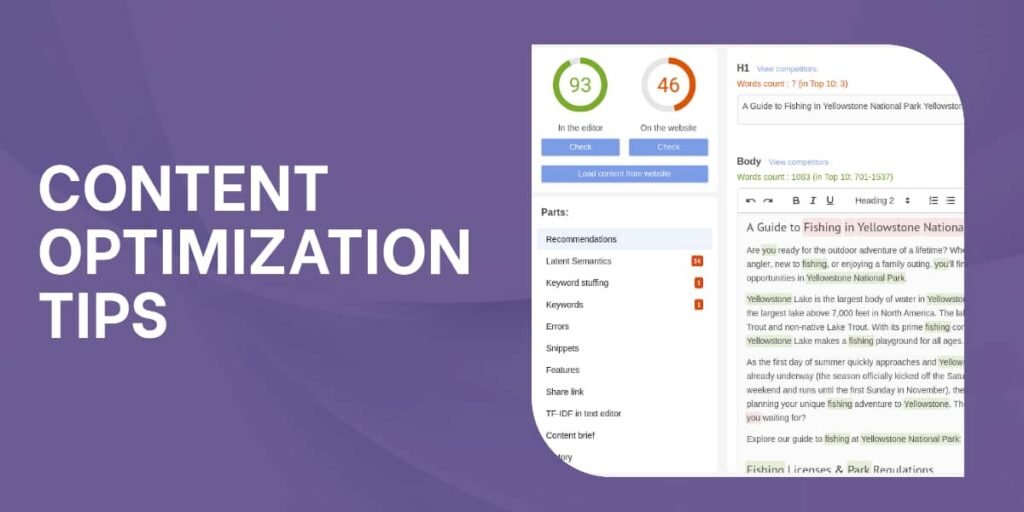
Content Optimization Tips for Higher Organic Traffic are essential for any website aiming to gain long-term search engine visibility. In the modern digital age, it is not sufficient to simply create content. Your content needs to be optimized to satisfy the search engine algorithms and user needs. Optimizing your content will enable search engines to better understand it while providing value to your visitors, leading to higher rankings and organic traffic. Search engines such as Google always favor content that is relevant, organized, and user-centric. By using effective content optimization strategies, businesses and bloggers can increase their chances of ranking on the first page and getting quality traffic without having to depend on paid marketing. Content Optimization Tips for Higher Organic Traffic: Understanding Search Intent Understanding search intent is one of the most crucial Content Optimization Tips for Higher Organic Traffic. Search intent can be information, comparison, services, or solutions to a problem. If your content is not relevant to the search intent, it will never rank, no matter how well you use keywords. Before you write or optimize any content, you need to check the top-ranking pages for your target keyword. See how they are formatted, how much content they have, and what kind of tone they use. If your content is perfectly relevant to what users are searching for, search engines will easily rank it higher and send you organic traffic. Content Optimization Tips for Higher Organic Traffic: Strategic Keyword Usage Keywords are the foundation of SEO, but you need to use them strategically. One of the most effective Content Optimization Tips for Higher Organic Traffic is using keywords in the content naturally. Your focus keyword should be used in the title, introduction, headings, URL, and meta description. It is also important to avoid keyword stuffing, as this will affect the readability and ranking of the content negatively. You can use related keywords and semantic terms to help your primary keyword. This will help search engines understand the context of the topic while ensuring that the content remains engaging for your audience. Content Optimization Tips for Higher Organic Traffic: Create Clear Headings Using clear headings in your content will help you improve the user experience and the SEO ranking of your content. Using your focus keyword in H1 and H2 headings is one of the best Content Optimization Tips for Higher Organic Traffic. Using headings will help search engines quickly scan your content and understand the important sections of your content. However, it is essential to avoid keyword stuffing, as it affects the readability and ranking of the content. Instead, you can make use of related keywords and semantic terms to complement your primary keyword. This method will enable search engines to understand the context of the topic while keeping the content interesting for your readers. Content Optimization Tips for Higher Organic Traffic: Create Clear Headings Clear headings with proper structuring can enhance the user experience and SEO ranking of your content. Using your focus keyword in the H1 and H2 headings of your content is one of the most effective Content Optimization Tips for Higher Organic Traffic. The headings will enable search engines to easily scan your content and understand the important sections of your content. Each heading should clearly define the section and entice readers to read further. Content Optimization Tips for Higher Organic Traffic: Enhance Content Quality Quality content is a key ranking criterion. Among the most effective Content Optimization Tips for Higher Organic Traffic is making sure your content is comprehensive, informative, and useful. Low-quality content, also known as thin content, is less likely to rank well in search engine results. To make your content of high quality, you need to discuss your topic in depth, provide examples, and answer frequently asked questions about your topic. Well-researched content helps to establish trust, boost dwell time, and send the right signals to search engines. Content Optimization Tips for Higher Organic Traffic: Emphasize Readability Readability is a key factor that determines the success of your content. Search engines love content that is easy to read and understand. One of the easiest Content Optimization Tips for Higher Organic Traffic is to break up your text into small paragraphs, use bullet points, and avoid using complicated language. When your content is easy to read, users tend to spend more time on your page, and this helps to reduce bounce rates. Boosted engagement metrics directly impact search engine rankings and organic traffic. Content Optimization Tips for Higher Organic Traffic: Leverage Internal Linking Internal linking is an effective way to help search engines crawl your website in a more efficient manner. As one of the Content Optimization Tips for Higher Organic Traffic, internal links help direct visitors to other related pages on your website. By linking relevant pages on your website, you can help distribute link equity and keep visitors engaged on your website for a longer period of time. This will not only improve your website’s SEO but also help create a better user experience on your website. Content Optimization Tips for Higher Organic Traffic: Optimize Images Properly Images can be used to make your content more engaging, but if the images are not optimized properly, they can slow down your website. One of the Content Optimization Tips for Higher Organic Traffic that is often overlooked is image optimization. Content Optimization Tips for Higher Organic Traffic: Leverage Internal Linking Internal linking is an effective way to help search engines crawl your website in a more efficient manner. As one of the Content Optimization Tips for Higher Organic Traffic, internal links help direct visitors to other related pages on your website. By linking relevant pages on your website, you can help distribute link equity and keep visitors engaged on your website for a longer period of time. This will not only improve your website’s SEO but also help create a better user experience on your website. Content Optimization Tips for Higher Organic Traffic: Optimize Images Properly Images can be

Scroll to Top